
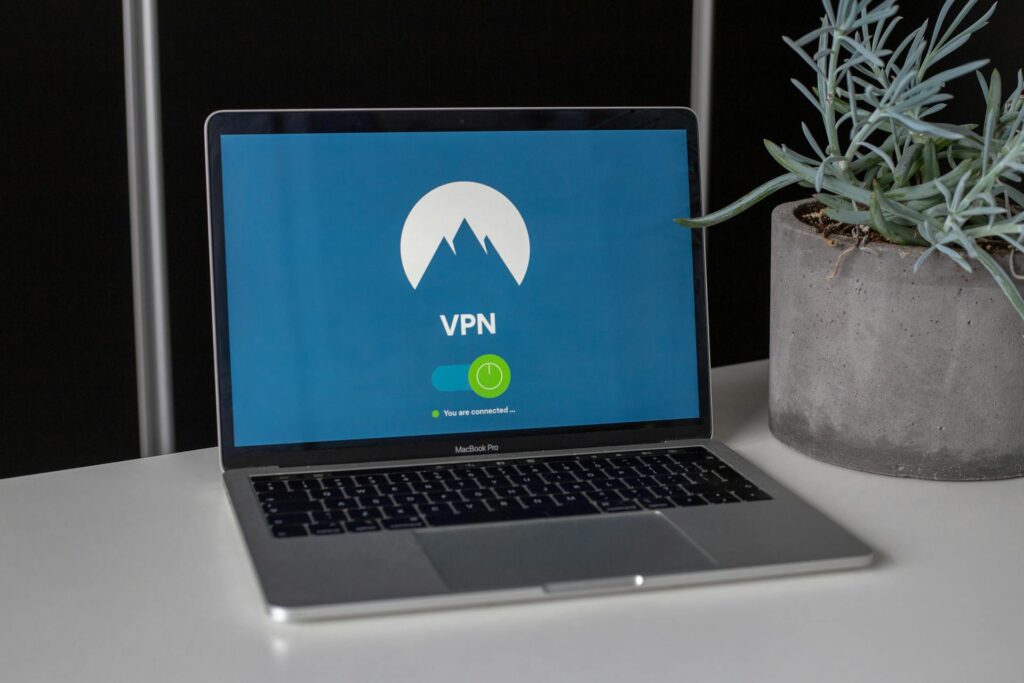
In today’s digital age, safeguarding your online presence has become more crucial than ever. From social media activities to financial transactions, every click leaves a digital footprint. For content creators, influencers, and everyday internet users, maintaining privacy and security online is paramount. Interestingly, a strong online presence also benefits your engagement metrics; even channels that leverage strategies like buying YouTube subs gain more credibility when their accounts are secure. Virtual Private Networks (VPNs) have emerged as powerful tools to protect your data, maintain anonymity, and mitigate cyber risks. In this article, we explore the top five ways VPNs help protect your online presence while highlighting practices you should adopt for comprehensive digital security.
Encrypting Your Internet Connection
 One of the most vital features of a VPN is its ability to encrypt your internet connection. Encryption transforms your data into coded formats that are unreadable to outsiders, making it difficult for hackers or malicious entities to intercept sensitive information. Without a VPN, public Wi-Fi networks, such as those found in cafes or airports, can leave your data exposed to cybercriminals. By encrypting traffic, VPNs allow you to browse securely, even on unsecured networks. This protects everything from passwords and banking details to email communications and personal files, making it harder for unauthorized users to access your information.
Hiding Your IP Address
Your IP address serves as a unique digital identifier, revealing your location and online behavior. Hackers, advertisers, and even some websites can track your activities through this identifier. A VPN masks your IP address by rerouting your connection through a server in a different location. This not only hides your physical location but also makes it appear as though you are accessing the internet from a different region. Such anonymity is crucial for protecting sensitive accounts, avoiding location-based cyberattacks, and even accessing geo-restricted content safely. Content creators and businesses, in particular, benefit from this privacy feature to prevent unwanted monitoring or tracking.
Safeguarding Social Media and Content Platforms
Social media platforms and content-sharing sites are prime targets for cybercriminals attempting to hijack accounts. VPNs help secure logins by encrypting login credentials and masking the network used to access these platforms. For content creators, having a VPN can prevent unauthorized access to personal accounts and subscriber data. Even channels that boost growth through methods like YouTube subs benefit, as VPN protection adds an extra layer of security against hacking attempts or fraudulent logins, maintaining the integrity and trustworthiness of their channels.
Protecting Against Phishing and Malware
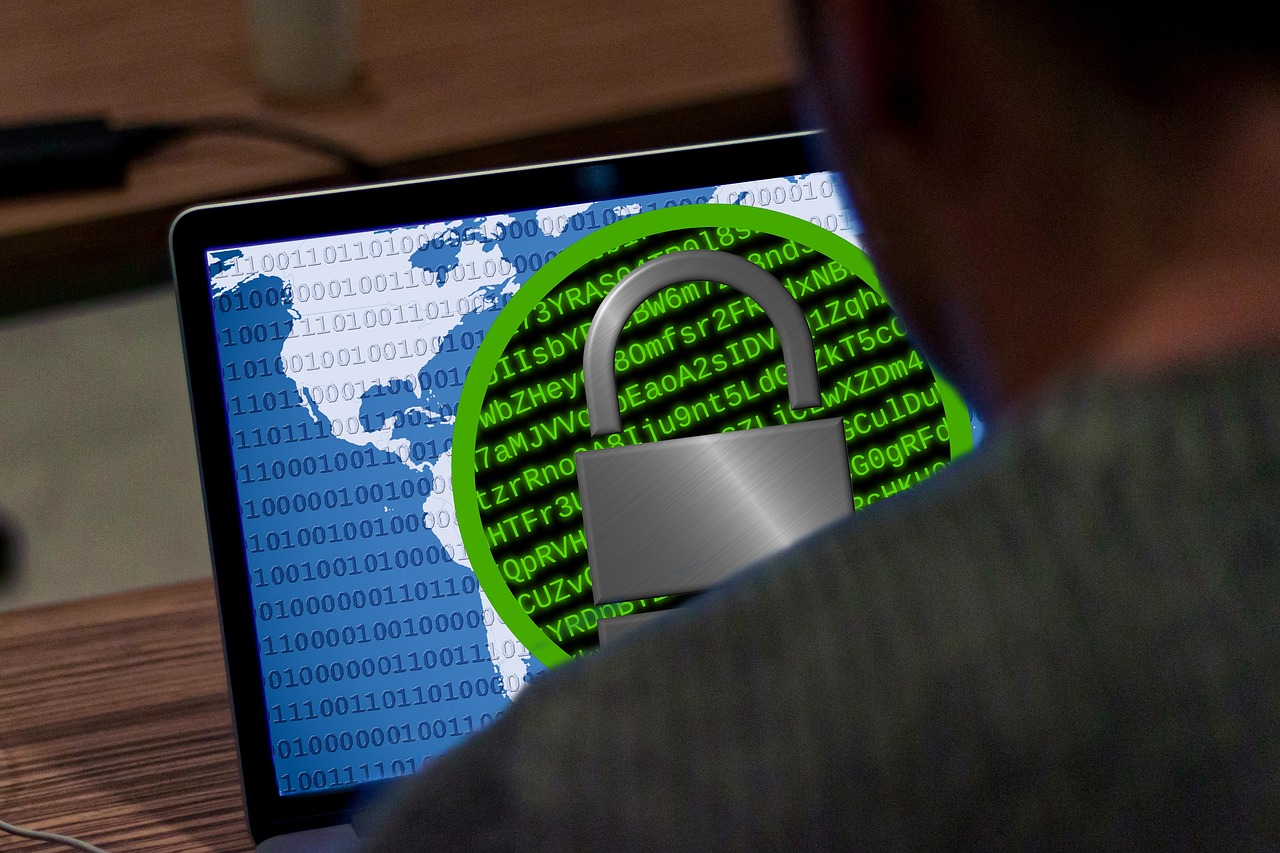
Phishing attacks and malware infections remain prevalent threats in the digital landscape. VPNs contribute to online safety by blocking access to malicious websites or suspicious domains. Many VPN providers offer integrated threat protection that warns users before they visit unsafe sites. This is particularly useful for users who frequently download files, click on links, or interact with new content. By preventing access to harmful sources, VPNs reduce the risk of account compromises, identity theft, and unauthorized access to personal or professional accounts.
Preventing Data Tracking and Online Profiling
Many websites, advertisers, and third-party companies track user behavior to create detailed profiles for targeted advertising. While this is mostly legal, it can compromise privacy and reveal sensitive habits, interests, or personal information. VPNs prevent tracking by masking your browsing patterns and routing traffic through anonymous servers. This minimizes the chances of your digital footprint being collected and sold to third parties. By controlling what data is visible online, users gain greater autonomy over their online identities and reduce the risks associated with unsolicited exposure.
Protecting your online presence is a critical responsibility in an era where data breaches and cyber threats are rampant. VPNs offer effective solutions through encryption, IP masking, malware prevention, social media protection, and minimizing data tracking. By leveraging these top five practices, users can browse safely, maintain privacy, and reduce vulnerabilities to attacks. Whether you are a casual internet user or a content creator growing an audience, implementing VPN security measures strengthens your digital resilience while giving you peace of mind that your online accounts remain secure and private.